Respecting Others’ Rights
Respect Others’ Rights: Why Creatives Must Play Fair with Intellectual Property
In the creative world, inspiration often comes from what we see, read, or hear in the works of others. Artists, writers, photographers, designers, and musicians all share one thing in common: they draw upon a rich tapestry of influences to produce something uniquely their own. Yet, there is an important line between inspiration and infringement — and crossing it can have serious legal and ethical consequences. Respecting the intellectual property rights of others is not only a matter of legality, it is also a matter of professional integrity.
Understanding What Is Protected
In the United Kingdom and many other jurisdictions, copyright automatically protects original works of art, literature, music, photography, and certain other creative expressions from the moment they are created and fixed in a tangible form. This means that the creator does not need to register their work to have rights over it. Those rights include the ability to decide how the work is used, reproduced, distributed, or adapted.

Importantly, copyright does not protect ideas, methods, or general styles. It protects the specific expression of those ideas. For example, an artist cannot claim ownership over the idea of painting a stormy sea — but they can claim ownership of their particular painting of it, in all its unique composition, colour choices, and brushwork.
Common Misunderstandings
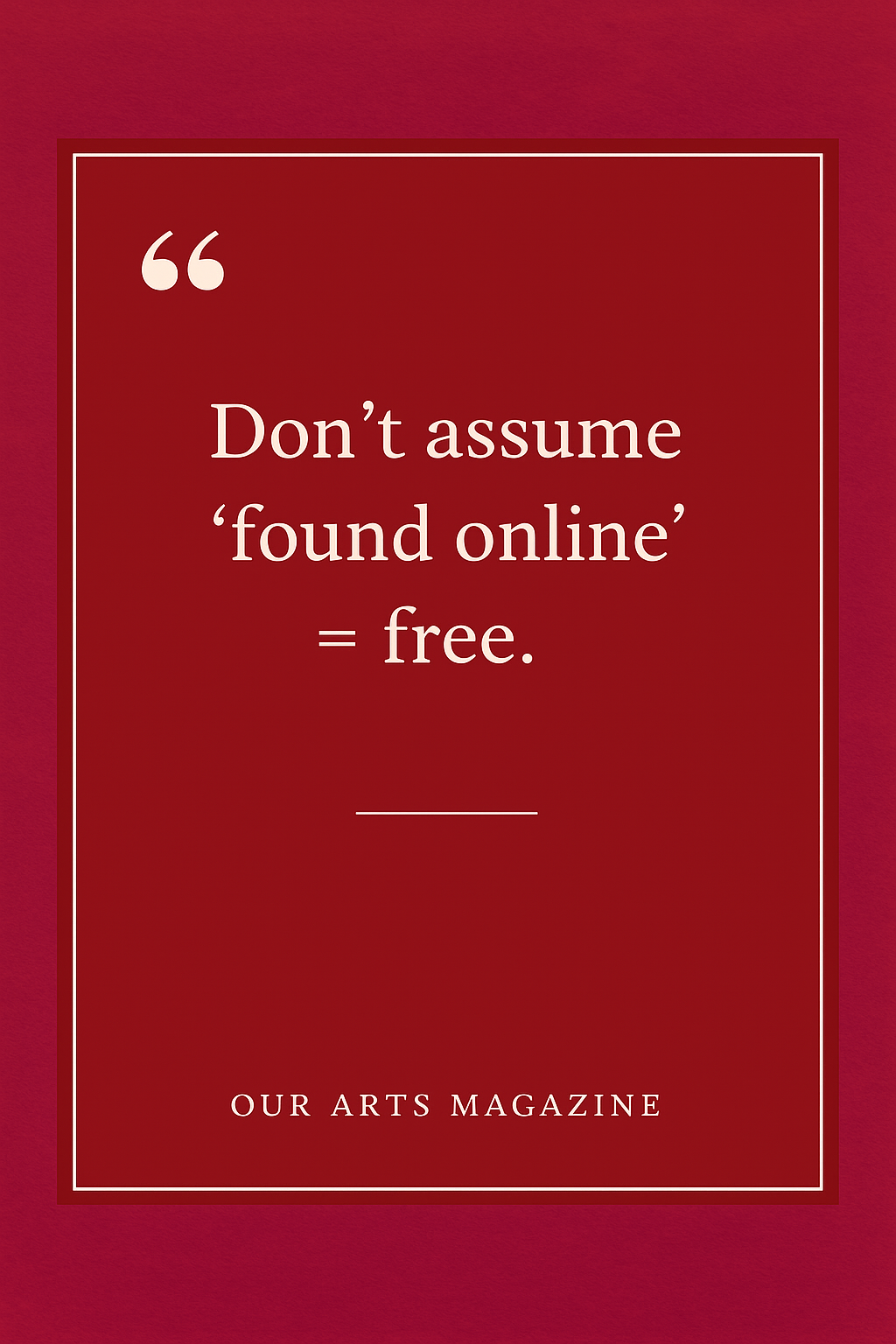
One of the most common misconceptions in the digital age is that if something is posted online, it is free to use. This is not the case. An image shared on social media, a piece of music uploaded to a streaming platform, or a paragraph of text from a blog is still protected by copyright unless explicitly released under a licence that allows reuse. “Found on the internet” does not mean “public domain.”
Another misunderstanding arises around attribution. Crediting a creator when you use their work without permission may be polite, but it does not make the use legal. Unless the work is licensed under terms that allow for such use, you still require permission to reproduce or adapt it.
Licensing and Permissions
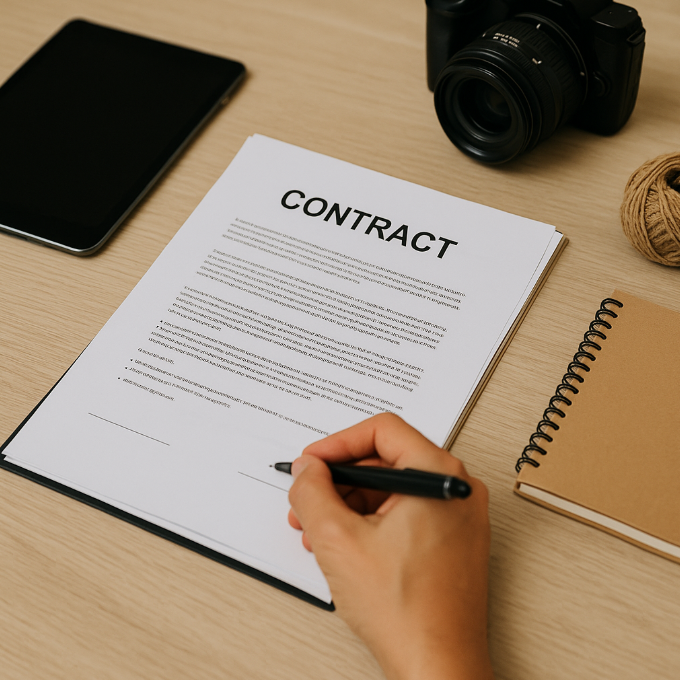
Respecting others’ rights means seeking the appropriate licence or permission before using their work. Licences can range from formal contracts for commercial use to more flexible arrangements such as Creative Commons licences, which may allow for use with attribution or for non-commercial purposes. Reading and following the terms of any licence is essential. Breaching licence terms can lead to the same legal consequences as using the work without permission in the first place.
If you are ever in doubt, it is best to contact the creator or their representative directly. Many creatives are open to licensing their work for a reasonable fee, and some may grant permission simply for exposure or collaboration.

Derivative Works and Adaptations
When a new work is based on or incorporates an existing work — for example, a photograph that has been heavily edited, a painting inspired by a specific photograph, or a musical remix — this is considered a derivative work. In most cases, you need the original creator’s permission to create and publish a derivative work. Even if you add significant changes, the law still recognises the original creator’s rights over the source material.
Why It Matters
For creatives, respecting others’ rights is more than a legal obligation; it is part of sustaining a healthy creative community. If you would not want someone taking your work without asking, then it follows that you should not do the same to others. The trust and mutual respect between creators is what allows collaborations, commissions, and artistic exchange to flourish.
Moreover, breaches of intellectual property rights can lead to reputational damage as well as financial loss. Lawsuits and legal disputes can be costly, time-consuming, and damaging to a creative career. In the age of instant online communication, news of unethical behaviour can spread rapidly, making it even more vital to uphold high standards.
Practical Steps for Creatives
- Always check the copyright status of a work before using it.
- Look for public domain works or those licensed for reuse, such as Creative Commons.
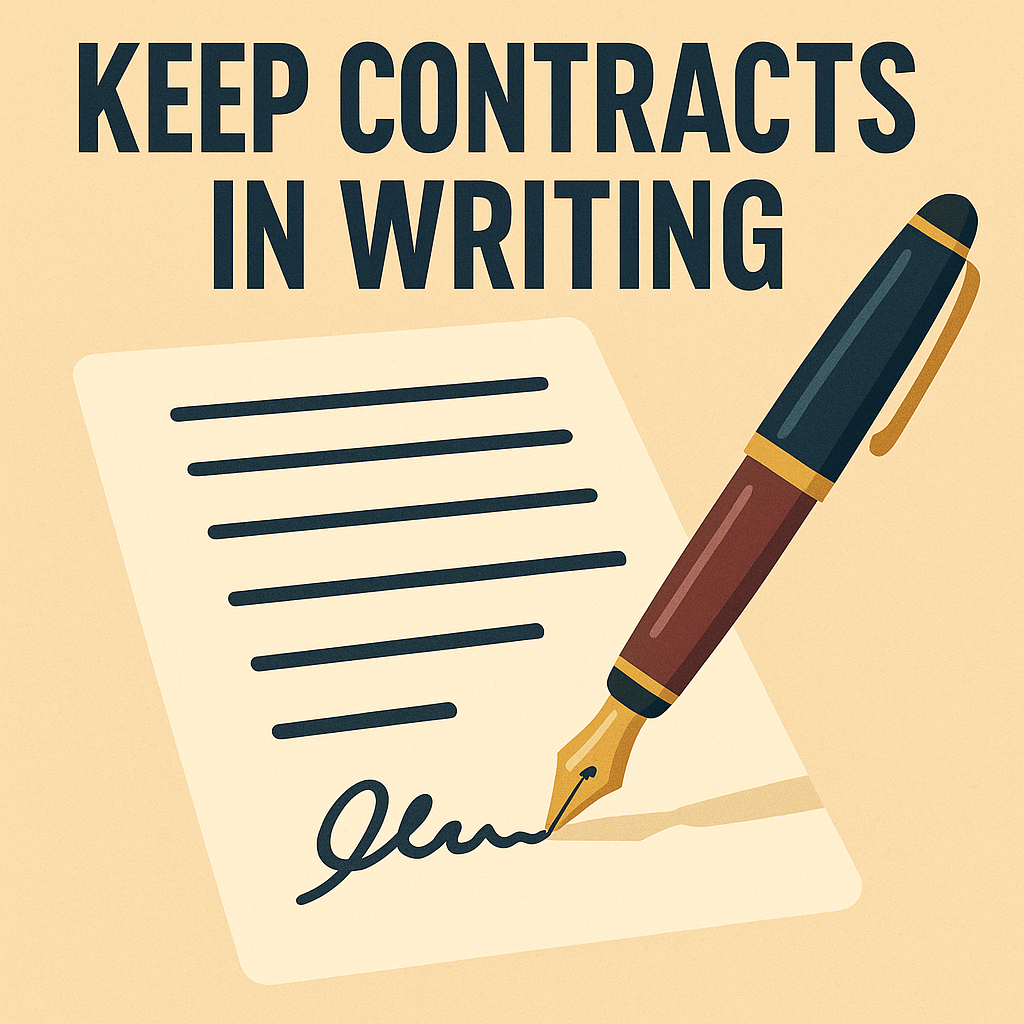
- Keep written proof of permissions or licences granted to you.
- When in doubt, create original content rather than risk infringement.
- Give proper attribution when a licence requires it, following the format specified.
Final Thoughts
Creativity thrives in an environment of respect and fairness. By acknowledging and honouring the rights of other creators, you not only stay on the right side of the law, you also set a professional standard that others will be more inclined to follow. In a world where content can be copied and shared in seconds, the integrity of the creative industry depends on each of us choosing to act with both legal awareness and ethical responsibility.
✍️ Submit a Guest Post
Did you know I run a magazine for creatives AND share your creative voice with my readers? We welcome guest posts from artists, writers, and creative souls of all kinds.
Submit Your ArticleShare this link with your friends if you enjoyed the post 🙂 See the share buttons or comment....you know you want to!