
When to Use AI – And When You Absolutely Shouldn’t
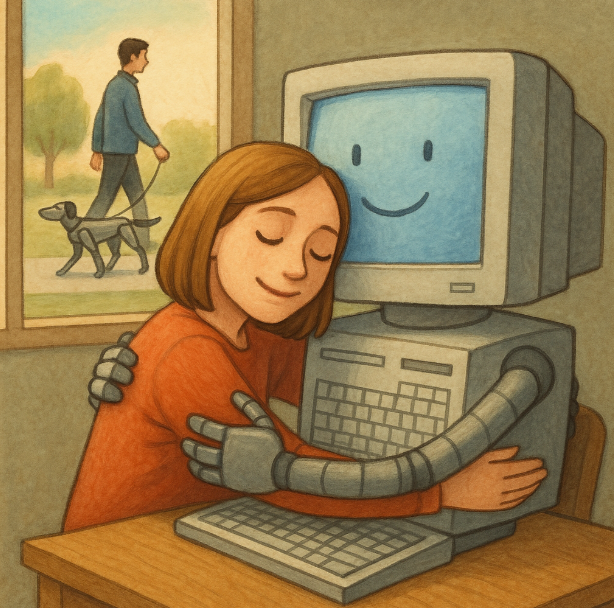
The Strengths of AI: Why You Should Use It
- Efficiency and Speed: AI processes data rapidly, offering quick solutions and enhancing productivity.
- Creative Partnership: AI can act as a muse or assistant in artistic and literary projects.
- Accessibility and Support: AI tools empower those with disabilities and expand global access to education and services.
- Cost-Effective Problem-Solving: Small businesses and creatives benefit from AI’s affordability and versatility.
The Limits of AI: Why You Shouldn’t Use It
- Lack of True Understanding: AI mimics understanding but lacks genuine empathy or intuition.
- Bias and Misinformation: Algorithms can replicate and amplify harmful biases found in their training data.
- Depersonalisation and Dependence: Overuse can diminish human connection and critical thinking.
- Displacement of Human Work: Automated systems threaten jobs, especially in the creative and service sectors.
Friendships and Lovers with AI: A Tempting Illusion
Emotionally responsive AI chatbots are reshaping how we perceive connection. But these ‘relationships’ are not mutual. They are simulated responses based on code, not care. While AI can soothe loneliness, it risks deepening it if it replaces human interaction. And what happens when companies monetise emotional dependency?
The Near Future: What Comes Next
- AI Normalisation: Integration into homes, workplaces, and education will continue rapidly.
- Ethical Debates: Public and governmental scrutiny of AI practices will intensify.
- Creativity at a Crossroads: Will we rise to preserve human artistry or drown in algorithmic noise?
- New Roles: Hybrid careers—such as AI curators and AI editors—will emerge.
- Digital Personhood: Expect heated debates about rights for AI and data-based entities.
Conclusion
AI is not inherently good or bad—it reflects us. Thoughtful use can enhance life; unthinking dependence can impoverish it. Let us use AI as a tool, not a replacement. Let us stay human, even as we teach our machines to mimic us.
✍️ Submit a Guest Post
Did you know I run a magazine for creatives AND share your creative voice with my readers? We welcome guest posts from artists, writers, and creative souls of all kinds.
Submit Your ArticleShare this link with your friends if you enjoyed the post 🙂 See the share buttons or comment....you know you want to!

AI covers such a huge range of subjects.
My use is limited to Lightroom, where it can be wonderful (also sometimes extraordinarily clunky!) for seamlessly getting rid of troubling fence posts and the like.
On the other hand I see pictures that are simply AI creations: often over-enthusiastic combinations of discordant elements to make something completely unrealistic and, to me, quite off-putting and bringing to mind the exuberantly coloured velvet paintings of tropical sunsets that adorned the walls of far too many 1960s living rooms. Rave over, before I really get warmed up!
I have used AI in my images. The ones I sell are all from photographs I have taken in Cheshire, Wales, or elsewhere. I then use AI to create a new landscape… I love it and the freedom it creates. But I do think it’s overused by some. It’s a shame as others perceptions become tainted.
Great points on AI. It can help traditional artists like me bring more clarity to a painting.